Hyundai INSTER Spotted Testing in India: Everything We Know So Far
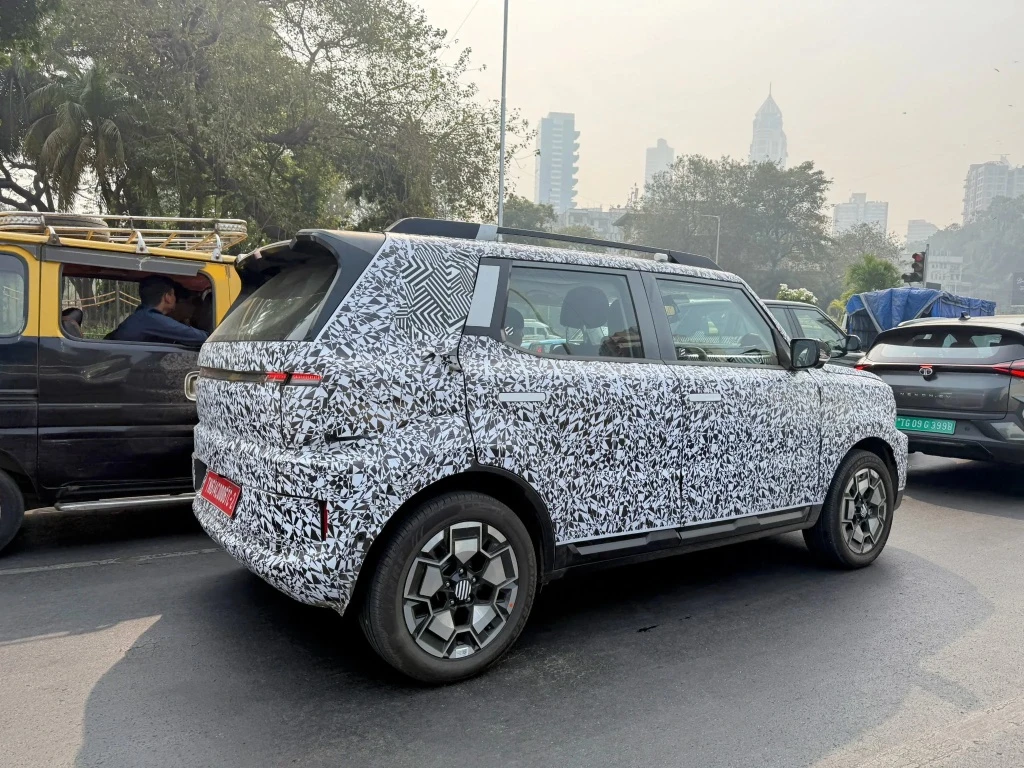
Hyundai has been steadily reshaping its product strategy for the Indian automobile market, focusing heavily on compact SUVs and electric mobility. The latest development strengthening this approach is the Hyundai INSTER, which has now been spotted testing on Indian roads under heavy camouflage. These spy shots strongly hint that Hyundai is preparing a new urban-focused compact SUV, likely inspired by the global Hyundai INSTER, but re-engineered specifically for Indian conditions.
The test vehicle was spotted in real-world city traffic, suggesting that Hyundai is already conducting advanced-stage testing to fine-tune ride quality, powertrain calibration, and overall usability for Indian buyers.
Hyundai INSTER India Spy Shots: What Stands Out Immediately
Even with full camouflage, the vehicle’s overall shape and proportions are clearly visible, and they tell an interesting story. Unlike coupe-styled crossovers or low-slung SUVs, this model embraces a boxy, upright stance that prioritises space and visibility.
Key visual highlights from the spy shots include:
- Tall-boy SUV proportions
- Upright front and rear design
- Squared-off wheel arches
- Flat roofline with roof rails
- Compact wheels indicating urban use
This design approach is very similar to Hyundai’s global INSTER and Casper models, both of which focus on maximising cabin space within a compact footprint.
Front-End Design: Familiar Yet Fresh
The front fascia appears to follow Hyundai’s modern design language. Despite camouflage, a split headlamp setup is clearly visible. This typically includes slim LED DRLs positioned high up, with the main headlamp units housed lower in the bumper.
The grille area looks minimal, which could indicate:
- An EV-specific front fascia, or
- A petrol version with a closed-off or slim grille for improved aerodynamics
The bonnet appears flat and upright, reinforcing the SUV’s practical nature rather than a sporty character.
Side Profile: Compact Dimensions, Smart Packaging
From the side, the Hyundai INSTER test mule showcases one of its biggest strengths—efficient packaging. The wheelbase looks long relative to the overall body length, which usually translates to better interior space.
Notable side-profile elements include:
- Large glass area for improved visibility
- Thick C-pillar design
- Straight character lines
- Prominent black cladding along the doors
This side profile suggests that Hyundai is targeting buyers who want easy ingress, comfortable seating, and a commanding driving position for daily city use.
Rear Design: Clean, Minimal, Functional
The rear section of the test vehicle features a near-vertical tailgate, a design choice often used to maximise boot space. Slim horizontal tail lamps are visible beneath the camouflage and may be connected via a light bar in the production model.
The rear bumper appears chunky, hinting at a rugged aesthetic despite the vehicle’s urban focus. Expect Hyundai to keep the rear design clean and modern, in line with its latest global SUVs and EVs.
Interior Expectations: Practicality Over Flashiness
Although the interior hasn’t been spied yet, Hyundai’s recent launches provide a strong indication of what to expect. The India-spec Hyundai INSTER is likely to focus on space, usability, and modern tech rather than luxury.
Expected interior highlights:
- Digital instrument cluster
- Large touchscreen infotainment system
- Wireless Android Auto & Apple CarPlay
- Flat dashboard layout for a roomy feel
- Flexible seating configuration
Given Hyundai’s track record, the INSTER could also feature segment-first or segment-leading technology to attract younger buyers.
Powertrain Options: Petrol and Electric on the Cards
One of the most important questions surrounding the Hyundai INSTER India launch is its powertrain lineup. While nothing is official yet, industry trends strongly suggest a dual-strategy approach.
Expected powertrain options:
- Petrol engine for affordability and mass appeal
- Fully electric version (EV) aligned with Hyundai’s India EV roadmap
The EV variant could become one of Hyundai’s most accessible electric cars in India, positioned below the Creta Electric and Kona Electric in terms of price.
Platform and Engineering
The Hyundai INSTER is expected to be based on a lightweight monocoque platform, optimised for both ICE and EV configurations. This approach allows Hyundai to reduce development costs while offering multiple powertrain options.
India-specific tuning will likely include:
- Stronger suspension for rough roads
- Increased ground clearance
- Improved cooling for hot climates
- High localisation for cost control
Market Positioning in India
The Hyundai INSTER will likely sit below the Creta and possibly between the Exter and Venue in Hyundai’s lineup. It could also carve out a new sub-segment as a practical, boxy urban SUV with EV potential.
Likely competitors:
- Tata Punch
- Citroën C3
- Maruti Suzuki Ignis
- Upcoming compact electric SUVs
Hyundai’s strong brand value and service network could give the INSTER a significant advantage in this competitive space.
Expected Launch Timeline
Based on the testing stage and camouflage level, the Hyundai INSTER India launch is expected in 2026, with an official reveal possibly happening a few months earlier.
Hyundai typically tests vehicles extensively in India, so multiple sightings in the coming months would indicate that the launch timeline is on track.
Why Hyundai INSTER Makes Sense for India
The Indian market is increasingly shifting toward:
- Compact SUVs
- City-friendly dimensions
- Feature-rich interiors
- Affordable electric mobility
The Hyundai INSTER checks all these boxes, making it a strategic product for Hyundai’s long-term India plans.
Spotted Test Mule vs Expected Production Model: What Will Change?
Based on the spy shots and Hyundai’s recent India launches, the production-spec Hyundai INSTER (India version) is expected to look noticeably cleaner and more premium than the camouflaged test mule currently on roads.
Overall Design Philosophy
The test mule prioritises functional testing, while the final version will focus on urban appeal, aerodynamics, and brand identity. Hyundai is likely to retain the boxy silhouette but soften the edges for a more showroom-friendly appearance.
Front Design: Testing vs Production
Spotted Version (Test Mule)
The front of the test vehicle is heavily camouflaged, but key elements are visible. The headlamp area appears split, with lighting elements positioned at different heights. The bumper looks chunky and unfinished, clearly designed for testing durability rather than aesthetics.
Expected Production Version
The final India-spec Hyundai INSTER is expected to feature:
- Sleek LED DRLs integrated neatly into the upper fascia
- Cleaner bumper design with sharper contours
- Body-coloured or gloss-black elements for a premium look
- Possible EV-specific closed grille on electric variants
Hyundai will likely ensure that the front end looks distinct from the Exter and Venue, giving the INSTER its own identity.
Side Profile: Testing vs Production
Spotted Version (Test Mule)
The side profile of the test mule already gives away the car’s character. It has a tall stance, squared wheel arches, and compact wheels. Door panels and cladding appear plain and utilitarian.
Expected Production Version
In the production model, expect:
- More stylish alloy wheel designs
- Sharper character lines on doors
- Better-integrated body cladding
- Slightly revised roof rails for aesthetics
The proportions will remain largely unchanged, as they are one of the INSTER’s biggest strengths.
Rear Design: Testing vs Production
Spotted Version (Test Mule)
The rear section is upright, with temporary lighting units and a thick bumper. The tail lamps appear slim but unfinished, likely placeholder units for testing.
Expected Production Version
Hyundai is known for clean rear designs, so the final version could include:
- LED tail lamps with a connected light-bar effect
- Sculpted tailgate with Hyundai branding
- Cleaner rear bumper with silver or black skid-plate styling
This will give the INSTER a modern and slightly futuristic look, especially on the EV version.
Interior: What the Spy Shots Don’t Show
Although interior spy shots are not available yet, Hyundai’s recent cabin designs offer strong clues. The production model is expected to look far more premium than the test mule suggests.
Expected highlights:
- Dual-screen setup (instrument cluster + infotainment)
- Minimalistic dashboard layout
- High seating position for better visibility
- Practical storage spaces for urban use
Hyundai will likely focus on comfort, tech, and ease of use rather than outright luxury.
Why the Production Version Will Look Very Different
Spy-shot vehicles are intentionally rough-looking. Hyundai typically:
- Uses temporary panels and lights
- Hides final surfacing under camouflage
- Tests mechanical components, not styling
Once revealed, the Hyundai INSTER India version will appear far more polished, premium, and modern than the current test mule suggests.
Final Verdict
The Hyundai INSTER spotted testing in India is a strong indication that Hyundai is preparing a new-generation urban SUV tailored for Indian buyers. With its boxy design, smart packaging, and potential EV variant, the INSTER could become a popular choice among city-focused customers and first-time SUV buyers.
As Hyundai continues road testing, more details are expected to surface soon. One thing is certain—the Hyundai INSTER is shaping up to be one of the most interesting upcoming compact SUVs in India.