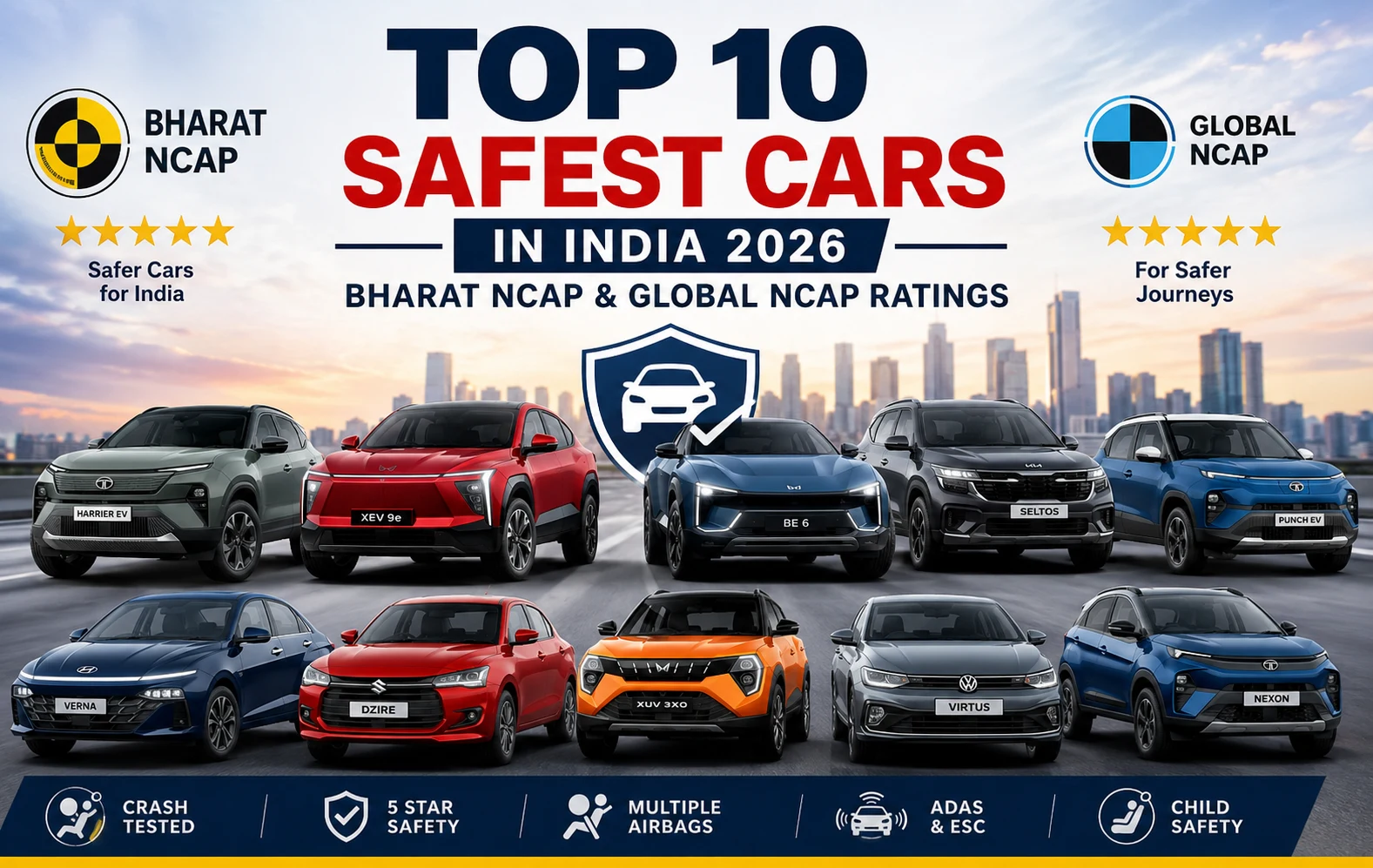
When buying a new car in India, safety has become just as important as fuel efficiency, performance, features, and pricing. Over the last few years, Indian consumers have become increasingly aware of crash-test ratings and the importance of choosing a vehicle that can effectively protect occupants during an accident. This shift in buyer preference has encouraged manufacturers to improve vehicle structures, introduce more airbags, and offer advanced safety technologies even in affordable segments.
The introduction of Bharat NCAP has further accelerated this change. Alongside Global NCAP, Bharat NCAP now provides Indian buyers with transparent crash-test results that reveal how well a vehicle performs under various accident scenarios. These tests evaluate adult occupant protection, child occupant protection, side-impact resistance, electronic safety systems, and structural integrity.
Today, many vehicles sold in India are capable of achieving five-star safety ratings, something that was considered rare just a few years ago. Manufacturers such as Tata Motors and Mahindra have led this transformation, while brands like Hyundai, Kia, Volkswagen, Skoda, and Maruti Suzuki have significantly improved their safety standards as well.
If safety is one of your top priorities, this guide will help you discover the safest cars available in India in 2026 based on Bharat NCAP and Global NCAP crash-test ratings.
What is Bharat NCAP?
Bharat NCAP (New Car Assessment Programme) is India’s official vehicle safety assessment program designed to evaluate how well cars protect occupants during collisions. The program conducts a series of crash tests and assigns ratings ranging from one star to five stars.
The evaluation process includes frontal impact tests, side-impact tests, child occupant protection assessments, and reviews of advanced safety technologies such as Electronic Stability Control (ESC) and Advanced Driver Assistance Systems (ADAS).
A five-star Bharat NCAP rating indicates that a vehicle provides excellent protection for adults and children while maintaining structural stability during severe crashes.
Bharat NCAP vs Global NCAP
While Global NCAP played a major role in highlighting vehicle safety standards in India over the last decade, Bharat NCAP focuses specifically on vehicles sold in the Indian market.
Global NCAP follows internationally recognized testing protocols and helped expose safety shortcomings in many entry-level vehicles. Bharat NCAP builds upon those standards while considering local regulations and road conditions.
For buyers, vehicles that perform strongly in both Bharat NCAP and Global NCAP evaluations are generally considered among the safest options available.
Safest Cars in India 2026 – Rating Table
| Rank & Model | BNCAP (Adult / Child) | GNCAP (Adult / Child) | Structural & Safety Highlights |
|---|---|---|---|
| 1. Tata Harrier / Safari | ⭐⭐⭐⭐⭐ (32.00 / 45.00) | ⭐⭐⭐⭐⭐ (33.05 / 45.00) | Fully reinforced OMEGARC architecture; features standard 7 airbags and Level 2 ADAS. |
| 2. Mahindra XEV 9e | ⭐⭐⭐⭐⭐ (32.00 / 45.00) | Testing Awaited | First-ever vehicle to hit a flawless 32/32 adult score under BNCAP’s strict local testing. |
| 3. Kia Seltos | ⭐⭐⭐⭐⭐ (31.70 / 44.11) | Older 3-Star Superseded | Massive mid-lifecycle structural reinforcement; now features 6 standard airbags and ESC. |
| 4. Mahindra BE 6 | ⭐⭐⭐⭐⭐ (31.49 / 45.00) | Testing Awaited | Built on the dedicated INGLO EV platform; features an ultra-rigid high-strength steel cabin. |
| 5. Tata Punch EV | ⭐⭐⭐⭐⭐ (31.46 / 45.00) | Testing Awaited | Micro-SUV safety champ; achieves outstanding structural stability under severe side-pole impacts. |
| 6. Hyundai Verna | ⭐⭐⭐⭐⭐ (31.02 / 42.00) | ⭐⭐⭐⭐⭐ (28.18 / 42.00) | The first made-in-India Hyundai sedan to secure a sweep of five stars across both labs. |
| 7. Volkswagen Virtus / Skoda Slavia | Testing Awaited | ⭐⭐⭐⭐⭐ (29.71 / 42.00) | Built on the robust MQB-A0-IN platform; exceptional footwell and cabin shell stability. |
| 8. Volkswagen Taigun / Skoda Kushaq | Testing Awaited | ⭐⭐⭐⭐⭐ (29.64 / 42.00) | Solid European engineering; achieved high child safety scores via standard ISOFIX mounts. |
| 9. Maruti Suzuki Dzire | ⭐⭐⭐⭐⭐ (29.46 / 41.57) | ⭐⭐⭐⭐⭐ (31.24 / 39.20) | A historic 5-star milestone for Maruti; features a newly engineered, highly stable chassis. |
| 10. Tata Nexon / Nexon EV | ⭐⭐⭐⭐⭐ (29.41 / 43.83) | ⭐⭐⭐⭐⭐ (32.22 / 44.52) | India’s long-running safety pioneer; standard setup includes a reinforced roll-cage chassis. |
Safest Cars in India 2026 in Details
1. Tata Harrier EV / Tata Harrier
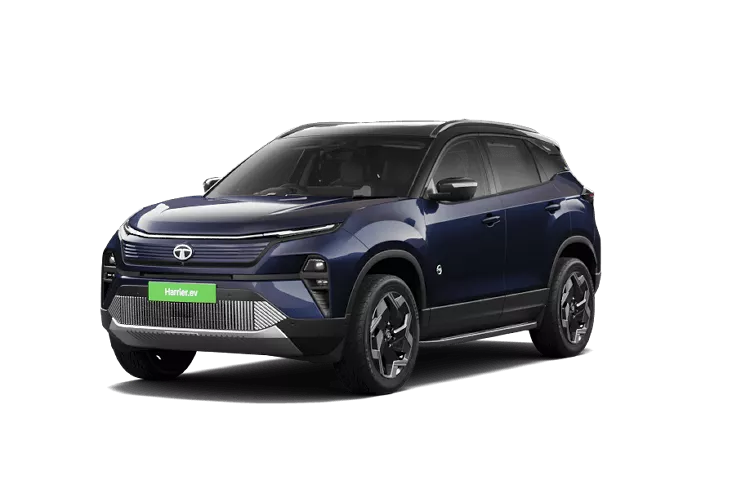
The Tata Harrier and the newly introduced Harrier EV currently sit at the top of India’s safety rankings. Both vehicles have demonstrated exceptional crash protection capabilities and achieved near-perfect scores in Bharat NCAP and Global NCAP evaluations.
One of the biggest strengths of the Harrier is its reinforced body structure. The SUV has been engineered to absorb crash energy efficiently while maintaining passenger cabin integrity. This significantly reduces the risk of serious injuries during high-impact collisions.
Safety equipment includes seven airbags, Electronic Stability Control, Hill Hold Assist, Hill Descent Control, a 360-degree camera system, tyre pressure monitoring, and an advanced Level-2 ADAS suite. Features such as autonomous emergency braking, lane keep assist, adaptive cruise control, and blind spot monitoring further enhance occupant safety.
The Harrier EV also benefits from a specially reinforced battery protection system designed to maintain battery integrity in the event of a collision. This makes it one of the safest electric SUVs currently available in India.
For buyers seeking a premium family SUV with top-tier safety credentials, the Harrier remains one of the strongest options in the market.
2. Mahindra XEV 9e
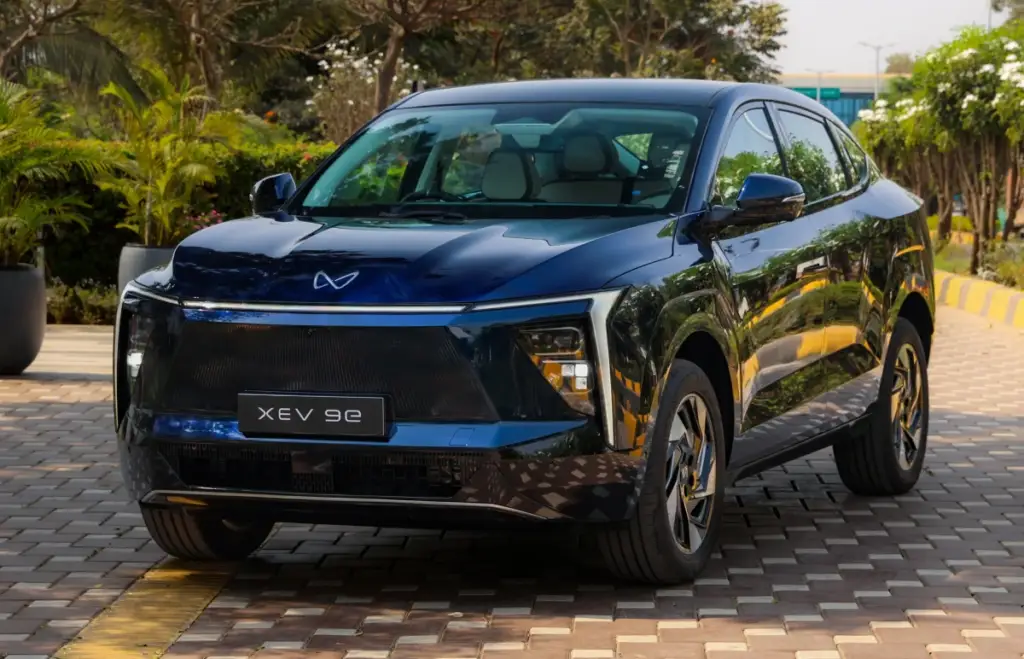
The Mahindra XEV 9e represents the company’s next-generation electric vehicle philosophy, combining cutting-edge technology with outstanding safety performance. It achieved a perfect adult occupant score under Bharat NCAP testing, making it one of the safest vehicles ever evaluated in India.
Built on Mahindra’s advanced electric vehicle platform, the XEV 9e uses high-strength materials and sophisticated crash energy management systems to maximize passenger protection. The rigid passenger cell is designed to maintain structural integrity even during severe collisions.
Safety equipment is comprehensive and includes seven airbags, electronic stability control, autonomous emergency braking, lane departure warning, lane keep assist, blind spot monitoring, adaptive cruise control, and driver fatigue monitoring.
Apart from protecting occupants during an accident, the XEV 9e actively helps drivers avoid accidents through its extensive ADAS package. This combination of active and passive safety technologies places it among the safest EVs available in India today.
Families looking for a modern electric SUV with exceptional crash protection should definitely consider the XEV 9e.
3. Mahindra BE 6

The Mahindra BE 6 continues Mahindra’s impressive safety-focused approach in the electric vehicle segment. Built on the dedicated INGLO electric platform, the vehicle benefits from a highly rigid structure specifically designed to protect occupants and battery components during collisions.
Unlike conventional vehicles adapted for electric powertrains, the BE 6 was developed from the ground up as an EV. This allows engineers to optimize structural reinforcement around critical areas while maintaining excellent cabin strength.
The vehicle achieved an outstanding five-star Bharat NCAP rating, scoring highly in both adult and child occupant protection categories. Multiple airbags, advanced electronic stability systems, collision avoidance technologies, and a comprehensive ADAS package contribute to its impressive safety credentials.
The BE 6 also offers excellent side-impact protection thanks to strategically reinforced pillars and energy-absorbing zones integrated into the vehicle’s architecture.
Its strong combination of innovation, performance, and crash protection makes it one of the safest electric vehicles available in the Indian market.
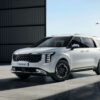
4. Kia Seltos
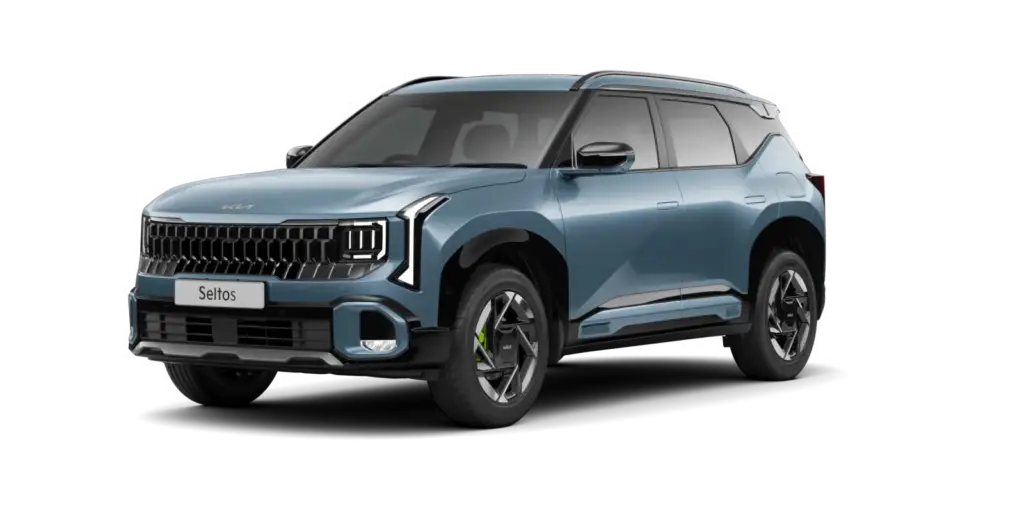
The Kia Seltos has undergone a remarkable transformation over the past few years. While earlier safety assessments raised concerns regarding structural performance, the latest generation has benefited from significant engineering improvements that have helped it achieve a five-star Bharat NCAP rating.
Kia has strengthened the body shell using high-strength steel in critical areas, improving the SUV’s ability to withstand frontal and side-impact collisions. The company has also made six airbags standard across the range, a move that has significantly enhanced occupant protection.
Modern safety technologies further improve the Seltos’ credentials. Depending on the variant, buyers can access a comprehensive ADAS package that includes Forward Collision Warning, Autonomous Emergency Braking, Lane Keeping Assist, Blind Spot Collision Avoidance Assist, and Adaptive Cruise Control. These features not only help reduce the severity of accidents but can also prevent them entirely.
For families seeking a feature-rich SUV that combines comfort, technology, practicality, and safety, the Kia Seltos has evolved into one of the strongest contenders in the segment. Its latest safety achievements demonstrate how seriously manufacturers are now taking occupant protection in the Indian market.
5. Tata Punch EV / Tata Punch

The Tata Punch has become one of India’s biggest success stories, proving that excellent safety does not have to come at a premium price. Both the standard Punch and the Punch EV have achieved impressive crash-test performances, making them among the safest compact SUVs available today.
One of the Punch’s greatest strengths is its stable body structure. During crash evaluations, the vehicle demonstrated excellent protection for both adult and child occupants while maintaining strong structural integrity. This is particularly impressive considering its compact dimensions and affordable pricing.
The Punch EV further enhances safety through its dedicated battery protection architecture. Tata has incorporated multiple layers of protection around the battery pack to ensure occupant safety during severe impacts. The vehicle also benefits from advanced braking systems, traction control, electronic stability control, and multiple airbags.
For urban buyers, first-time car owners, and small families, the Punch offers a rare combination of affordability, practicality, and class-leading safety. It remains one of the easiest recommendations for anyone prioritizing crash protection without stretching their budget.
6. Hyundai Verna
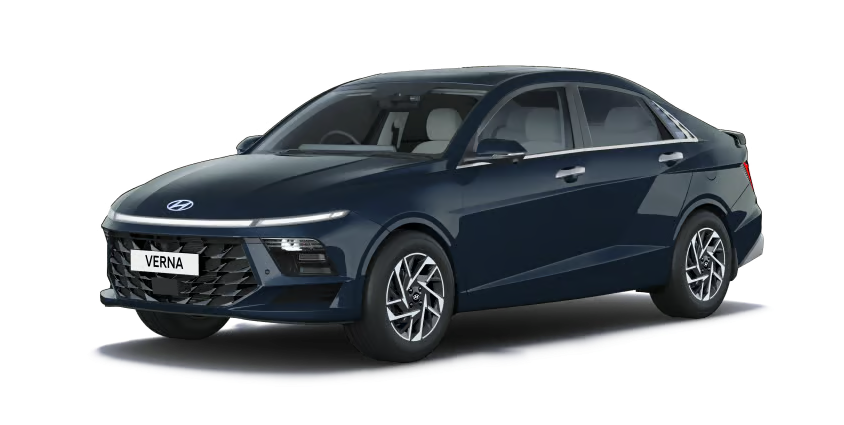
The Hyundai Verna made headlines when it achieved outstanding safety results, becoming one of the safest sedans available in India. Historically, Hyundai vehicles faced criticism regarding crash-test performance, but the latest Verna demonstrates how far the brand has progressed.
The sedan’s structure has been extensively strengthened to improve crash energy absorption and occupant protection. Both adult and child occupants benefit from excellent safety scores, while the vehicle’s stable passenger compartment contributes significantly to its five-star performance.
Hyundai has equipped the Verna with an extensive suite of active safety technologies. Features such as Autonomous Emergency Braking, Forward Collision Avoidance Assist, Lane Keeping Assist, Blind Spot Monitoring, Rear Cross Traffic Alert, and Adaptive Cruise Control provide an additional layer of protection in everyday driving situations.
Beyond crash safety, the Verna’s ADAS package makes highway driving considerably safer and less stressful. Combined with its spacious cabin, premium features, and efficient powertrain options, the Verna stands out as one of the safest family sedans currently available in the country.
7. Maruti Suzuki Dzire
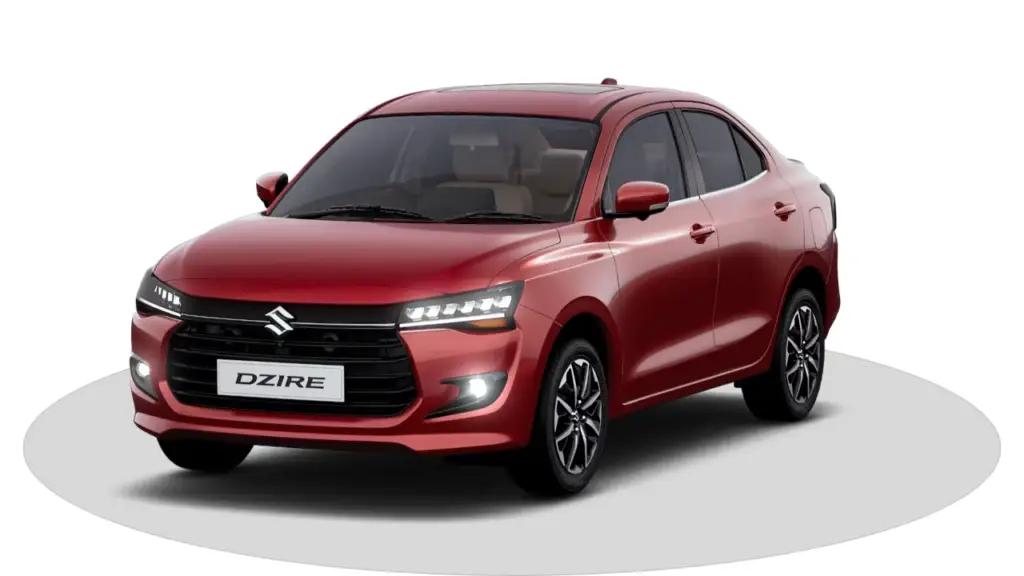
The Maruti Suzuki Dzire achieving a five-star safety rating marks a major milestone for India’s largest car manufacturer. For years, safety was considered one of Maruti’s weaker areas, but the latest Dzire demonstrates the company’s commitment to improving occupant protection.
The new-generation Dzire benefits from a significantly stronger body structure, improved crash energy management, and modern safety systems that were previously unavailable in the segment. Electronic Stability Control, multiple airbags, ABS with EBD, and advanced seatbelt technologies contribute to its impressive safety performance.
One of the most notable aspects of the Dzire’s achievement is its balance between affordability and protection. Buyers no longer have to choose between budget-friendly ownership and strong crash-test performance. This development is particularly important for families purchasing their first sedan.
The Dzire continues to offer excellent fuel efficiency, comfortable ride quality, and low running costs while now delivering safety standards that rival many premium competitors. This transformation has made it one of the most significant safety success stories in the Indian automotive market.
8. Mahindra XUV 3XO

The Mahindra XUV 3XO builds upon the strong safety reputation established by the XUV300 and introduces further improvements in technology, design, and occupant protection. Mahindra has consistently prioritized safety, and the XUV 3XO reflects that philosophy.
The SUV incorporates a robust structure designed to absorb crash forces effectively while protecting passengers inside the cabin. High-strength steel construction, reinforced safety zones, and multiple airbags contribute to its excellent crash-test performance.
One standout feature is the inclusion of advanced technologies such as multi-collision braking. This system automatically applies the brakes after an initial impact, helping reduce the risk of secondary collisions. Additional safety features include Electronic Stability Control, traction control, hill-start assist, tyre pressure monitoring, and a range of driver assistance systems.
The XUV 3XO also offers one of the most comprehensive standard safety packages in the compact SUV segment. For buyers seeking a practical family SUV with excellent crash protection and strong value for money, the XUV 3XO remains among the best options available.
9. Volkswagen Virtus / Skoda Slavia
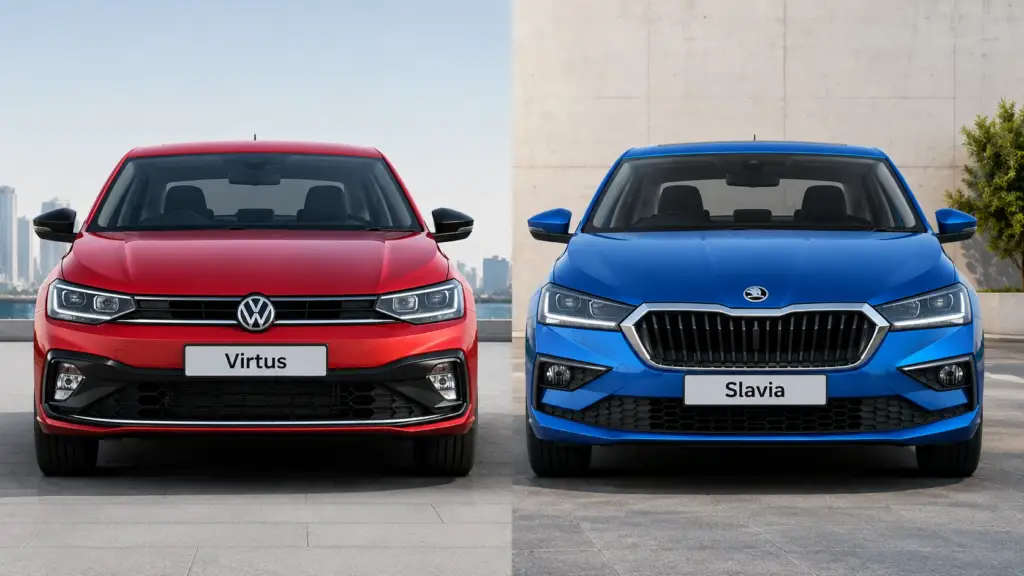
The Volkswagen Virtus and Skoda Slavia share the same MQB-A0-IN platform, a highly regarded architecture developed specifically for markets such as India. This platform has earned a reputation for delivering outstanding structural rigidity and passenger protection.
Both sedans achieved excellent Global NCAP results, demonstrating strong performance in adult and child occupant protection. Their stable passenger compartments, reinforced body shells, and carefully engineered crumple zones help minimize injury risks during collisions.
German engineering plays a significant role in the safety credentials of these vehicles. The platform has been designed to channel crash energy away from occupants while maintaining the integrity of the passenger cabin. This approach contributes to their strong reputation among safety-conscious buyers.
In addition to passive safety, the Virtus and Slavia offer multiple airbags, electronic stability control, traction control, hill hold assist, and advanced braking systems. Their combination of driving dynamics, build quality, and safety performance makes them standout choices for buyers seeking a secure and enjoyable sedan ownership experience.
10. Tata Nexon
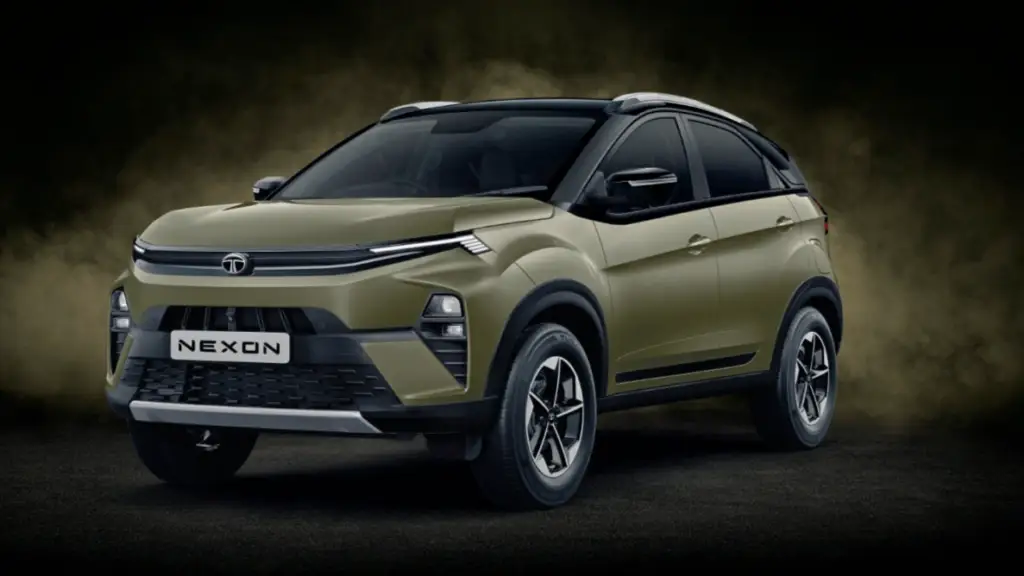
Few vehicles have influenced the Indian automotive industry as much as the Tata Nexon. When it became one of the first Indian-made cars to achieve a five-star Global NCAP rating, it fundamentally changed consumer expectations regarding vehicle safety.
The latest Nexon continues that legacy with strong Bharat NCAP and Global NCAP performances. Its high-strength steel structure, reinforced passenger compartment, and carefully engineered crumple zones provide excellent protection during collisions.
Safety features include multiple airbags, Electronic Stability Control, traction control, hill hold assist, tyre pressure monitoring systems, and ISOFIX child-seat mounts. Higher variants also include additional technologies that further enhance occupant protection.
The Nexon’s continued success demonstrates that safety can coexist with affordability, practicality, and modern features. It remains one of the most trusted compact SUVs in India and continues to serve as a benchmark for safety in its segment.
Safest Cars Under ₹10 Lakh in India
One of the biggest changes in the Indian automotive market is that buyers no longer need to spend a fortune to own a safe vehicle. Several cars priced below ₹10 lakh now offer crash-test ratings that rival vehicles costing significantly more.
The Tata Punch remains one of the strongest choices for budget-conscious buyers due to its excellent crash protection and practical SUV-like design. The Tata Altroz continues to be one of the safest hatchbacks available, offering a strong body shell and impressive occupant protection. The Tata Nexon, depending on the variant selected, also falls within reach of many buyers seeking an affordable yet highly secure compact SUV.
The Maruti Suzuki Dzire’s recent safety improvements have further expanded options in this category, while the Nissan Magnite remains a noteworthy choice for those seeking an affordable SUV with respectable crash-test performance.
For families working within a limited budget, these vehicles prove that prioritizing safety no longer requires compromising on affordability.
Safest SUVs in India 2026
Sport Utility Vehicles continue to dominate the Indian automotive market, accounting for a significant share of new vehicle sales. While buyers often choose SUVs for their commanding driving position, spacious interiors, and road presence, safety has become an equally important factor influencing purchase decisions.
Fortunately, today’s SUV buyers have access to several models that combine practicality with exceptional crash protection.
Top Safety-Rated SUVs in India
| Model | Safety Rating | Key Safety Highlights |
|---|---|---|
| Tata Harrier EV / Harrier | 5 Stars | 7 Airbags, ADAS, ESC |
| Mahindra XEV 9e | 5 Stars | Perfect Adult Score, ADAS |
| Mahindra BE 6 | 5 Stars | INGLO EV Platform, 7 Airbags |
| Tata Nexon | 5 Stars | Reinforced Structure, ESC |
| Mahindra XUV 3XO | 5 Stars | Multi-Collision Braking |
| Kia Seltos | 5 Stars | ADAS, Standard 6 Airbags |
| Tata Punch | 5 Stars | Stable Structure, Compact SUV |
What makes these SUVs stand out is their ability to provide protection across multiple crash scenarios. From frontal impacts to side collisions, these vehicles have demonstrated strong structural integrity while offering advanced active safety technologies that help drivers avoid accidents altogether.
As manufacturers continue to raise safety standards, Indian consumers can now choose from a wide range of SUVs that offer world-class protection without sacrificing comfort, technology, or performance.
Safest Electric Cars in India
The rapid growth of electric vehicles has raised important questions regarding battery protection and crash safety. Modern EVs must not only protect occupants but also ensure that high-voltage battery systems remain secure during accidents.
Thankfully, the latest generation of electric vehicles available in India has been engineered with safety as a primary consideration.
Leading Safe Electric Vehicles
Tata Harrier EV
The Harrier EV combines Tata’s proven crash safety expertise with a heavily reinforced battery protection structure. Multiple safety layers surround the battery pack, reducing risks during severe impacts.
Mahindra XEV 9e
The XEV 9e achieved one of the highest Bharat NCAP scores ever recorded. Its dedicated EV architecture offers exceptional rigidity and occupant protection.
Mahindra BE 6
Built on the INGLO platform, the BE 6 benefits from advanced crash management systems and strategically positioned battery protection zones.
Tata Punch EV
The Punch EV brings strong safety credentials to the affordable electric vehicle segment, making it one of the safest budget EVs available in India.
One common misconception is that electric vehicles are less safe than conventional cars. In reality, many modern EVs feature stronger structures due to their battery-pack design and often perform exceptionally well during crash testing.
Safety Features Every Buyer Should Look For
Crash-test ratings provide an excellent starting point, but buyers should also understand the individual safety technologies that contribute to those ratings.
Airbags
Airbags remain one of the most important safety features in modern vehicles. While dual airbags are mandatory, many of the safest vehicles in India now offer six or seven airbags as standard equipment. These airbags help reduce the severity of injuries during frontal, side, and curtain-impact scenarios.
Electronic Stability Control (ESC)
ESC helps maintain vehicle stability during emergency maneuvers, slippery road conditions, and sudden directional changes. Numerous international studies have shown that ESC significantly reduces the likelihood of severe accidents.
Anti-lock Braking System (ABS)
ABS prevents wheel lock-up during emergency braking situations, allowing drivers to maintain steering control while reducing stopping distances.
ISOFIX Child Seat Anchors
For families with young children, ISOFIX anchors provide a secure and standardized method of installing child safety seats, reducing the risk of incorrect installation.
Advanced Driver Assistance Systems (ADAS)
ADAS technologies have become increasingly common in India. These systems use sensors, cameras, and radar technologies to help drivers avoid accidents.
Popular ADAS features include:
- Autonomous Emergency Braking
- Lane Keeping Assist
- Adaptive Cruise Control
- Blind Spot Monitoring
- Rear Cross Traffic Alert
- Driver Attention Monitoring
These systems serve as an additional layer of protection and can significantly reduce accident risks when used correctly.
Tyre Pressure Monitoring System (TPMS)
Maintaining proper tyre pressure improves handling, braking performance, fuel efficiency, and tyre lifespan. TPMS alerts drivers when tyre pressure drops below recommended levels.
Why Safety Ratings Matter More Than Ever
Many buyers still prioritize factors such as mileage, maintenance costs, touchscreen size, or exterior styling when selecting a vehicle. While these aspects are important, none of them matter more than occupant safety during a serious accident.
A structurally strong vehicle can dramatically reduce injury risks during collisions. Features such as airbags, seatbelt pretensioners, reinforced safety cages, crumple zones, and advanced braking technologies work together to protect occupants when unexpected situations occur.
Road conditions in India can be unpredictable. Congested highways, varying road quality, sudden obstacles, and increasing traffic volumes make safety a critical consideration for every driver.
A five-star-rated vehicle not only protects you but also provides peace of mind for your family. The additional investment required for a safer vehicle is often insignificant when compared to the potential consequences of a severe accident.
As awareness grows, safety ratings are becoming one of the most important benchmarks used by buyers when comparing vehicles across different segments.
Frequently Asked Questions
Which is the safest car in India in 2026?
Based on current Bharat NCAP and Global NCAP results, the Tata Harrier EV, Tata Harrier, Mahindra XEV 9e, and Mahindra BE 6 rank among the safest vehicles available in India.
Which SUV has the highest safety rating in India?
The Tata Harrier EV and Mahindra XEV 9e currently sit among the highest-rated SUVs based on recent crash-test evaluations.
What is Bharat NCAP?
Bharat NCAP is India’s official vehicle safety assessment program that evaluates crash protection, structural integrity, child occupant safety, and active safety technologies.
Is Bharat NCAP different from Global NCAP?
Yes. Bharat NCAP specifically evaluates vehicles sold in India, while Global NCAP follows international testing standards across multiple markets.
Which is the safest EV in India?
The Mahindra XEV 9e, Mahindra BE 6, Tata Harrier EV, and Tata Punch EV are currently among the safest electric vehicles available.
Which Tata car is the safest?
The Tata Harrier EV currently ranks among Tata’s safest offerings, while the Tata Nexon and Tata Punch also continue to achieve excellent safety ratings.
Which Maruti Suzuki car has the best safety rating?
The latest Maruti Suzuki Dzire has achieved impressive crash-test results and represents one of the safest vehicles currently offered by the brand.
Does a 5-star safety rating guarantee complete safety?
No vehicle can guarantee complete safety. However, a five-star rating indicates excellent crash protection and significantly improves occupant survival chances during severe accidents.
Are SUVs safer than hatchbacks?
Not necessarily. Safety depends on vehicle design, structural strength, crash-test performance, and safety technologies rather than body style alone.
Why is Electronic Stability Control important?
ESC helps drivers maintain control during emergency maneuvers and slippery road conditions, significantly reducing the likelihood of serious accidents.
Final Verdict
The Indian automotive market has undergone a remarkable transformation in terms of vehicle safety. What was once considered a niche concern has now become one of the most important factors influencing purchasing decisions.
Manufacturers such as Tata Motors and Mahindra have played a major role in raising safety standards, while brands like Hyundai, Kia, Maruti Suzuki, Volkswagen, and Skoda have also significantly improved their crash-test performances in recent years.
The Tata Harrier EV, Mahindra XEV 9e, Mahindra BE 6, Tata Punch EV, Hyundai Verna, Maruti Suzuki Dzire, Mahindra XUV 3XO, Volkswagen Virtus, Skoda Slavia, and Tata Nexon demonstrate that Indian consumers now have access to vehicles capable of delivering world-class occupant protection.
Whether you are looking for an affordable family car, a premium SUV, a practical sedan, or a modern electric vehicle, prioritizing a Bharat NCAP or Global NCAP five-star-rated vehicle is one of the smartest decisions you can make.
In 2026, safety is no longer a premium feature—it is an essential requirement. Choosing a vehicle with proven crash protection ensures greater peace of mind and better protection for you and your loved ones every time you hit the road.