Introduction: India’s EV Shift and the Rise of Tata Punch EV
India’s electric vehicle market is evolving rapidly in 2026, with buyers no longer looking at EVs as experimental products. Instead, electric cars are now expected to deliver strong range, safety, modern technology, reliability, and value for money. Among all electric cars available in the Indian market, one model that consistently checks all these boxes is the Tata Motors Tata Punch EV.
The Tata Punch EV has emerged as one of the most practical, trustworthy, and well-rounded electric cars for Indian buyers. Built on Tata’s proven EV platform and backed by the brand’s strong reputation in electric mobility, the Punch EV is designed for real-world Indian driving conditions. In 2026, it stands out as a car that offers the perfect balance of affordability, performance, safety, and usability.
This post explains in detail why Tata Punch EV is the best model to buy in 2026, covering design, performance, range, features, safety, ownership experience, and long-term value.
Design Philosophy: Compact Yet Strong Road Presence
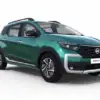
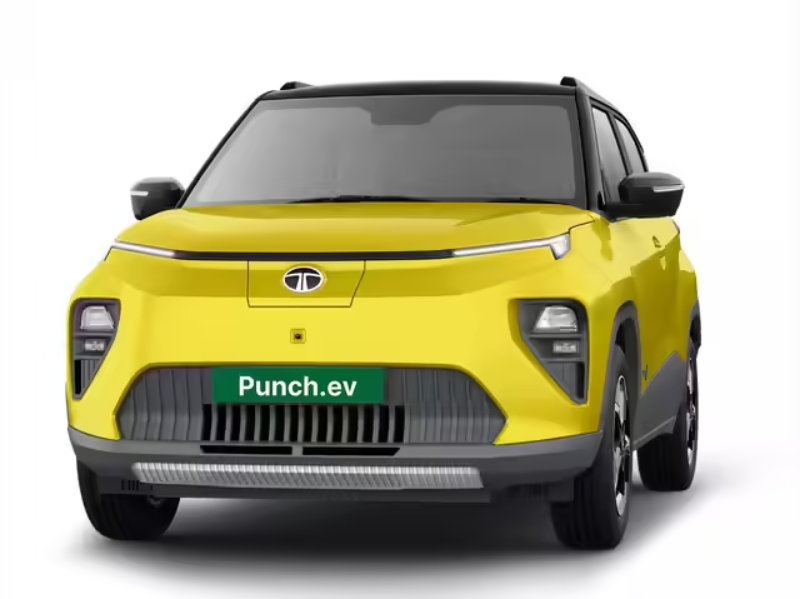
The Tata Punch EV retains the bold and rugged DNA of the Punch lineup while adding EV-specific design enhancements that make it look modern and futuristic. In 2026, Indian buyers prefer cars that feel strong on the road, and the Punch EV delivers exactly that.
The upright stance, squared-off proportions, and SUV-inspired styling give it a confident presence despite being a compact electric vehicle. EV-specific elements such as a closed front grille, connected LED lighting, aerodynamic alloy wheels, and clean body lines help differentiate it from the ICE version while improving efficiency.
Its compact footprint makes it ideal for city driving, tight parking spaces, and congested roads, while the high ground clearance ensures confidence on bad roads, speed breakers, and uneven surfaces. This combination makes the Tata Punch EV equally suitable for urban commuters and semi-urban buyers.
Electric Performance: Smooth, Silent, and Efficient
One of the strongest reasons why the Tata Punch EV is a top pick in 2026 is its balanced electric performance. Unlike aggressive performance-focused EVs that sacrifice efficiency, the Punch EV is tuned for smooth and predictable driving.
The instant torque delivery ensures quick acceleration from standstill, making city driving effortless. Overtaking at low speeds, merging into traffic, and navigating stop-and-go conditions feel stress-free. The electric motor provides linear power delivery, which is especially beneficial for new EV buyers transitioning from petrol cars.
In daily use, the Punch EV feels refined, silent, and vibration-free, offering a premium driving experience far superior to most entry-level petrol cars in the same price range.
Driving Range: Eliminating Range Anxiety in 2026
Range anxiety remains a concern for many EV buyers, but the Tata Punch EV addresses this effectively. In real-world Indian driving conditions, the Punch EV offers a range that comfortably meets daily and weekly usage needs.
For most users, the Punch EV can handle:
- Daily office commutes
- School runs
- Weekend city travel
- Short highway trips
With intelligent energy management, regenerative braking, and efficient battery tuning, the Punch EV ensures consistent range even in mixed driving conditions. In 2026, with charging infrastructure improving across cities and highways, the Punch EV becomes an even more practical choice.
Charging Convenience: Designed for Indian Homes
Charging convenience is one of the biggest advantages of the Tata Punch EV. It supports home charging setups, allowing owners to charge the car overnight just like a smartphone. This eliminates the need for frequent public charging stops.
Fast-charging compatibility further adds flexibility, enabling users to top up the battery quickly during longer journeys. Tata’s charging ecosystem continues to expand in 2026, making ownership more convenient year after year.
For Indian buyers living in apartments or independent houses, the Punch EV fits seamlessly into daily life without requiring major lifestyle changes.
Interior Comfort: Practical, Spacious, and Modern
Inside the cabin, the Tata Punch EV focuses on space efficiency and usability. Despite its compact exterior size, the interior feels airy and well-designed. The tall seating position improves visibility and reduces fatigue during long drives.
The dashboard layout is clean and modern, with EV-specific digital displays that provide real-time information such as:
- Battery status
- Range estimation
- Energy consumption
- Regenerative braking levels
Seat cushioning is tuned for comfort over long durations, making the Punch EV suitable for both short city drives and extended trips. Rear seat space is adequate for adults, and the flat floor enhances comfort for middle passengers.
Boot space remains practical for daily needs, grocery runs, and weekend luggage, further strengthening its position as a family-friendly EV.
Technology & Features: Smart and Future-Ready
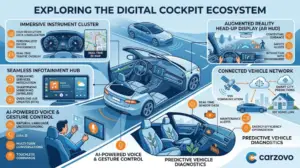
In 2026, buyers expect advanced technology even in affordable electric cars, and the Tata Punch EV delivers strongly in this area. The car comes equipped with a modern infotainment system, digital instrument cluster, connected car features, and intelligent driving modes.
Smartphone connectivity, voice commands, and OTA update capabilities ensure that the Punch EV remains future-ready. EV-specific features such as energy flow visualization and driving efficiency feedback help drivers maximize range and performance.
These features not only improve convenience but also make EV ownership more engaging and educational, especially for first-time electric car buyers.
Safety: One of the Strongest Reasons to Buy
Safety is where the Tata Punch EV truly stands out in 2026. Tata Motors has built its reputation on strong safety standards, and the Punch EV continues that legacy.
The car is built on a robust platform designed to meet high safety benchmarks. It offers essential safety features such as multiple airbags, ABS with EBD, electronic stability control, traction control, and a reinforced body structure.
For Indian families prioritizing safety above all else, the Punch EV becomes an obvious choice. In a market where many affordable cars compromise on safety, Tata’s commitment gives buyers long-term peace of mind.
Cost of Ownership: EV Advantage in 2026
One of the biggest reasons why the Tata Punch EV makes sense in 2026 is its low cost of ownership. Compared to petrol cars, electric vehicles have fewer moving parts, resulting in lower maintenance costs.
There is no engine oil, clutch, or complex gearbox to worry about. Routine servicing is simpler, and running costs are significantly lower due to reduced electricity costs compared to petrol prices.
Over a period of 5–7 years, the Punch EV proves to be more economical than most petrol or diesel cars in its segment, making it a smart long-term investment.
Ideal Buyer Profile: Who Should Buy Tata Punch EV?
The Tata Punch EV is best suited for:
- First-time car buyers entering the EV space
- Urban commuters looking for low running costs
- Families prioritizing safety and reliability
- Environment-conscious buyers
- Users upgrading from small petrol hatchbacks
Its ease of driving, practical range, and trusted brand backing make it suitable for a wide audience in 2026.
Comparison With Other EVs in 2026
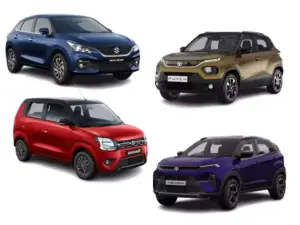
When compared to other electric cars in the same price range, the Tata Punch EV stands out due to:
- Better safety credentials
- SUV-inspired design
- Strong brand trust
- Balanced range and performance
- Better after-sales support
While some competitors may offer slightly higher range or more features, very few deliver the complete package that the Punch EV offers.
Why Tata Punch EV Is a Future-Proof Choice
Buying a car in 2026 is not just about present needs—it’s about future relevance. With stricter emission norms, rising fuel prices, and expanding EV infrastructure, electric cars are becoming the default choice.
The Tata Punch EV positions itself as a future-proof vehicle that aligns with government policies, environmental goals, and consumer expectations. Its platform, technology, and support ecosystem ensure it will remain relevant for years to come.
| Feature / Model | Tata Punch EV | Citroën eC3 | MG Comet EV | Tata Tiago EV | Tata Nexon EV |
|---|---|---|---|---|---|
| Price Range (Approx.) | ₹9.9 – 14.5 L* | ~₹11.6 – 13 L* | ~₹8 – 10.6 L* | ~₹8.7 – 12 L* | ~₹14.7 – 19.9 L* |
| Battery (kWh) | 25 / 35 | ~29.2 | ~17.3 | ~19.2 / 24 | ~40.5 |
| Claimed Range (ARAI) | ~265 – 365 km | ~320 km | ~230 km | ~250 – 314 km | ~465 km |
| Motor Power (PS) | ~81 – 121 | ~57 | ~42 | ~61 – 75 | ~127 – 142 |
| Torque (Nm) | ~114 – 190 | ~143 | ~110 | ~104 – 114 | ~215 |
| DC Fast Charging | Yes | Yes | No | Yes | Yes |
| AC Charging | Yes (3.3 / 7.2 kW) | Yes (3.3 kW) | Yes | Yes | Yes |
| Segment Positioning | Compact EV SUV | Compact EV hatch | City EV | City EV hatch | Mid-size EV SUV |
| Strength | Balanced range + price | Decent range | Very affordable | Compact & practical | Higher range / power |
Final Verdict: Best Electric Car to Buy in 2026
The Tata Punch EV is not just another electric car—it is a well-engineered, thoughtfully designed, and market-ready EV that suits Indian conditions perfectly. In 2026, it delivers the right mix of affordability, safety, practicality, and technology.
For buyers looking to transition to electric mobility without compromise, the Tata Punch EV stands tall as one of the best electric cars to buy in India in 2026.