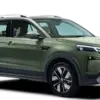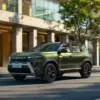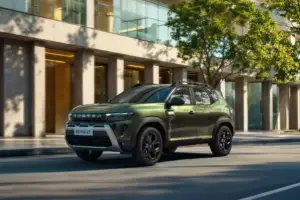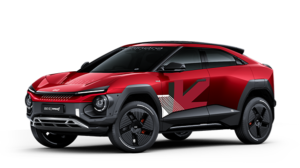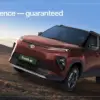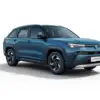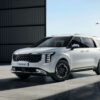
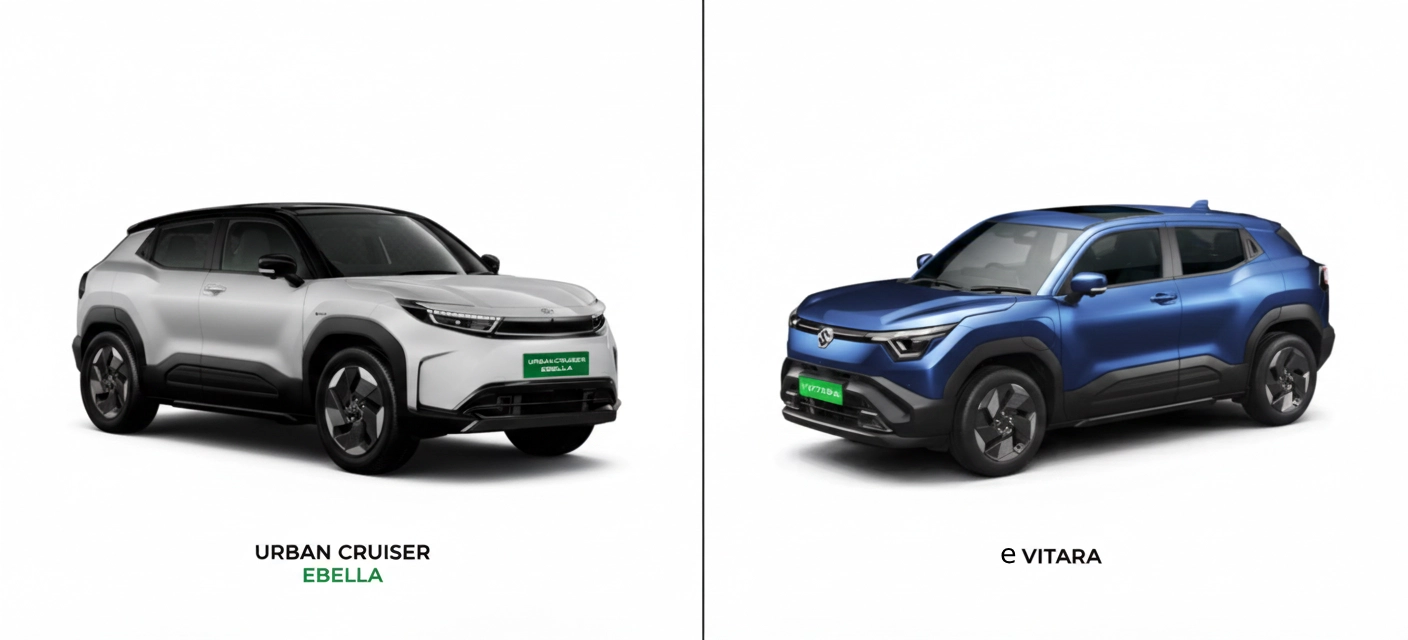
The Maruti e‑Vitara vs Toyota Urban Cruiser EV comparison has become one of the most discussed topics among Indian electric car buyers. With Maruti Suzuki and Toyota jointly developing these electric SUVs for India, many customers are asking a simple but important question — are these two EVs actually different, or are they the same car with different badges?
Both models are built to accelerate the adoption of electric mobility in India while maintaining SUV practicality, reliability, and affordability. In this in‑depth comparison, we focus strongly on body type, frame style, platform architecture, along with design, interiors, battery options, range, features, safety, pricing, and ownership experience.
This article is written with high SEO readability, clean structure, and buyer‑focused clarity, making it ideal for Indian readers researching upcoming electric SUVs.
Body Type & Segment Comparison
Both the Maruti e‑Vitara and Toyota Urban Cruiser EV are positioned in the B‑segment electric SUV category, which is expected to dominate EV sales in India over the next few years.
Shared Body Type Characteristics
- 5‑door compact SUV configuration
- Raised ground clearance for Indian roads
- Strong SUV stance with short overhangs
- Balanced proportions for city and highway driving
Despite carrying different brand identities, the roofline, door panels, glass area, and side profile are identical, confirming that both EVs share the same body shell.
Verdict: Identical body type and segment positioning.
Platform & Frame Style Explained
The biggest similarity between the two electric SUVs lies underneath the body.
HEARTECT‑e EV Platform
Both vehicles are built on Suzuki’s HEARTECT‑e platform, a dedicated electric vehicle architecture designed specifically for EV applications.
Platform Advantages
- Flat floor layout for efficient battery packaging
- High‑strength steel construction
- Improved torsional rigidity
- Optimised crash protection for EV safety
- Better interior space utilisation
Frame Style
- Monocoque chassis construction
- Integrated battery structure
- EV‑specific crumple zones
This confirms that the frame style, structural strength, and core engineering are exactly the same for both models.
Verdict: Same platform, same frame, same structural DNA.
Exterior Design Comparison
While the core body remains the same, Maruti Suzuki and Toyota have applied distinct design philosophies.
Maruti e‑Vitara Exterior Design
- Youthful and sporty styling
- Modern LED DRL signature
- Aggressive bumper detailing
- Contemporary European‑inspired look
Toyota Urban Cruiser EV Exterior Design
- Premium and mature SUV design
- Sharper LED headlamp treatment
- More upright bumper styling
- Toyota‑specific closed grille design
Common Exterior Elements
- Doors and roof
- Side body panels
- Glass area
- Wheel arches
Visual Differences
- Front bumper design
- Lighting signatures
- Alloy wheel patterns
- Brand badging
Verdict: Same body panels with cosmetic styling differences.
Dimensions Comparison (Expected)
Since both EVs share the same platform, their dimensions are nearly identical.
| Specification | Maruti e‑Vitara | Toyota Urban Cruiser EV |
|---|---|---|
| Length | ~4,275 mm | ~4,275 mm |
| Width | ~1,800 mm | ~1,800 mm |
| Height | ~1,635 mm | ~1,635 mm |
| Wheelbase | ~2,700 mm | ~2,700 mm |
Minor variations may occur due to bumper styling.
Verdict: Dimensionally identical electric SUVs.
Interior & Cabin Experience
Shared Cabin Architecture
- Same dashboard layout
- Identical seat frames
- Flat rear floor
- Similar storage spaces
Maruti e‑Vitara Interior Theme
- Sporty and technology‑focused
- Lighter dual‑tone cabin colours
- Youth‑oriented design language
Toyota Urban Cruiser EV Interior Theme
- Premium and minimalistic styling
- Darker colour palette
- More conservative appeal
Verdict: Same cabin structure with different ambience.
Battery, Motor & Range Comparison
Battery Options (Expected)
- Standard battery: ~49 kWh
- Long‑range battery: ~61 kWh
Powertrain Setup
- Front‑wheel drive electric motor
- Dual‑motor AWD expected on select variants
Expected Performance
- Power output: 140–170 PS
- Instant torque delivery
- Single‑speed automatic transmission
Driving Range
- Standard range: ~400 km (claimed)
- Long range: ~500+ km (claimed)
Verdict: Identical battery and motor configurations.
Ride, Handling & Driving Feel
Thanks to the same wheelbase, suspension layout, and chassis tuning:
- Ride quality will feel similar
- Handling characteristics remain unchanged
- Steering feel may differ slightly based on brand tuning
Verdict: Nearly identical driving experience.
Features Comparison
Common Features
- Large touchscreen infotainment system
- Digital instrument cluster
- Wireless smartphone connectivity
- 360‑degree camera
- Panoramic sunroof
- Wireless charging
- Connected car technology
Minor Brand Differences
- Interface graphics
- Connected app ecosystem
- Voice assistant branding
Verdict: Feature parity across both EVs.
Safety & Build Quality
Safety Structure
- Identical crash structure
- Same airbag placement
- Same high‑strength steel usage
Expected Safety Features
- 6 airbags
- ADAS Level 2
- Electronic stability control
- Hill hold assist
- Tyre pressure monitoring system
Verdict: Equal safety standards and protection.
Expected Price in India
| Model | Expected Price |
|---|---|
| Maruti e‑Vitara | ₹18 – ₹22 lakh |
| Toyota Urban Cruiser EV | ₹19 – ₹23 lakh |
Toyota may price its EV slightly higher due to premium brand positioning.
Ownership & After‑Sales Experience
Maruti Suzuki Benefits
- Widest service network in India
- Lower maintenance costs
- Better accessibility in smaller cities
Toyota Benefits
- Strong reliability perception
- Higher resale value
- Premium ownership experience
Which Electric SUV Should You Choose?
Choose Maruti e‑Vitara If:
- You want lower ownership costs
- You prefer a youthful design
- You value widespread service reach
Choose Toyota Urban Cruiser EV If:
- You want a premium brand image
- You prioritise resale value
- You prefer conservative SUV styling
Final Verdict
The Maruti e‑Vitara and Toyota Urban Cruiser EV are fundamentally the same electric SUV under the skin. They share:
- Identical body type
- Same monocoque frame style
- Same HEARTECT‑e platform
- Same dimensions and powertrain
- Same safety structure
Your final decision should depend on brand preference, styling taste, and ownership expectations, not mechanical differences.
Carzovo Recommendation: Choose based on brand trust — the engineering remains equally strong on both sides.