Which One Should You Buy in India?
The automotive industry is moving toward cleaner and more efficient mobility solutions. While fully electric vehicles continue to gain popularity, hybrid and plug-in hybrid vehicles have emerged as practical alternatives for buyers who want lower fuel consumption without worrying about charging infrastructure all the time.
Many buyers, however, remain confused about the difference between a traditional hybrid car and a plug-in hybrid vehicle. Both technologies use a combination of petrol engines and electric motors, but the way they operate is significantly different.
If you’re planning to buy an eco-friendly vehicle in 2026, understanding these differences can help you choose the right technology for your driving needs.
What Is a Hybrid Car?
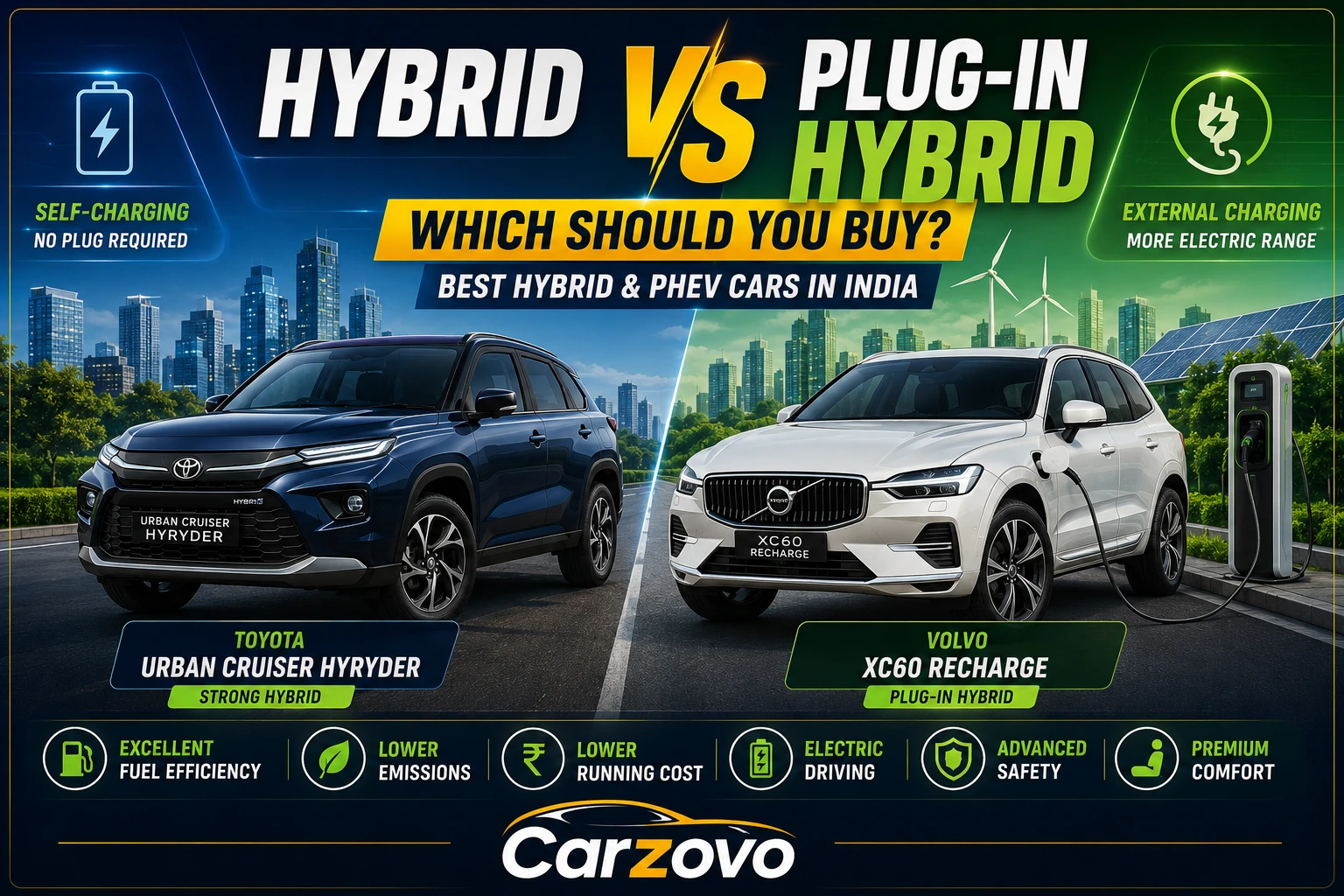
A hybrid car combines a petrol engine with an electric motor and a small battery pack. The battery is automatically charged through regenerative braking and the engine itself, meaning the driver never needs to plug the vehicle into a charging station.
The electric motor assists the engine during acceleration and can power the vehicle at low speeds, helping reduce fuel consumption and emissions.
Popular examples in India include the Toyota Urban Cruiser Hyryder Hybrid, Toyota Innova HyCross Hybrid, and Honda City e:HEV.
Key Benefits of Hybrid Cars
Hybrid vehicles are extremely convenient because they require no charging infrastructure. Drivers simply refuel as they would with any conventional petrol car while enjoying significantly better fuel efficiency.
For buyers covering long distances regularly, hybrids offer a practical balance between efficiency and convenience.
What Is a Plug-in Hybrid Car?
A plug-in hybrid vehicle, commonly known as a PHEV, uses a larger battery pack that can be charged externally through a home charger or public charging station.
Unlike regular hybrids, plug-in hybrids can travel considerable distances using only electric power before the petrol engine becomes necessary.
In many global markets, PHEVs can cover between 50 and 100 kilometers purely on electricity, making them ideal for daily commuting while retaining the flexibility of a petrol engine for longer journeys.
Key Benefits of Plug-in Hybrids
The biggest advantage of a plug-in hybrid is the ability to complete daily drives with little or no fuel consumption. Drivers can enjoy electric mobility without worrying about range limitations during long-distance travel.
Hybrid vs Plug-in Hybrid: Head-to-Head Comparison
| Feature | Hybrid Car | Plug-in Hybrid Car |
|---|---|---|
| External Charging Required | No | Yes |
| Battery Size | Small | Large |
| Pure Electric Driving | Limited | Extensive |
| Fuel Efficiency | Excellent | Outstanding |
| Running Cost | Low | Very Low |
| Initial Purchase Cost | Lower | Higher |
| Charging Infrastructure Needed | No | Yes |
| Long-Distance Travel | Excellent | Excellent |
| City Driving | Very Good | Excellent |
| Maintenance | Moderate | Slightly Higher |
| Range Anxiety | None | None |
| Environmental Impact | Lower Emissions | Much Lower Emissions |
Why Hybrid Cars Are Popular in India
Perfect for Current Road Conditions
India’s charging infrastructure is still developing. While major cities now have more charging stations than ever before, access remains limited in many smaller towns and highways.
Hybrid vehicles eliminate this concern entirely. Drivers enjoy excellent fuel economy without changing their driving habits.
Models such as the Toyota Urban Cruiser Hyryder and Honda City e:HEV have proven that hybrid technology can deliver outstanding real-world efficiency while maintaining reliability and convenience.
Why Plug-in Hybrids Could Be the Future
Combining the Best of EVs and Petrol Cars
Plug-in hybrid vehicles represent a middle ground between fully electric cars and traditional hybrids.
For many buyers, daily commuting falls within 30–50 kilometers. A plug-in hybrid can often complete these journeys entirely on electric power while keeping the petrol engine available for weekend trips and long-distance travel.
This flexibility makes PHEVs particularly attractive for buyers who want an EV-like experience but are not ready to depend solely on charging infrastructure.
Which Technology Saves More Fuel?
For buyers who regularly charge their vehicles, plug-in hybrids can significantly outperform traditional hybrids in fuel efficiency.
A plug-in hybrid used primarily for city commuting may consume almost no petrol during the week. However, this advantage depends heavily on charging habits.
Traditional hybrids, on the other hand, consistently deliver excellent mileage regardless of charging access because they manage their battery automatically.
Best Hybrid Cars Available in India
Toyota Urban Cruiser Hyryder Hybrid
The Hyryder Hybrid remains one of the most fuel-efficient SUVs available in India. Its strong hybrid technology provides excellent mileage while maintaining practicality for family use.
Honda City e:HEV
Honda’s hybrid sedan continues to impress with refined performance, advanced safety features, and impressive fuel efficiency.
Toyota Innova HyCross Hybrid
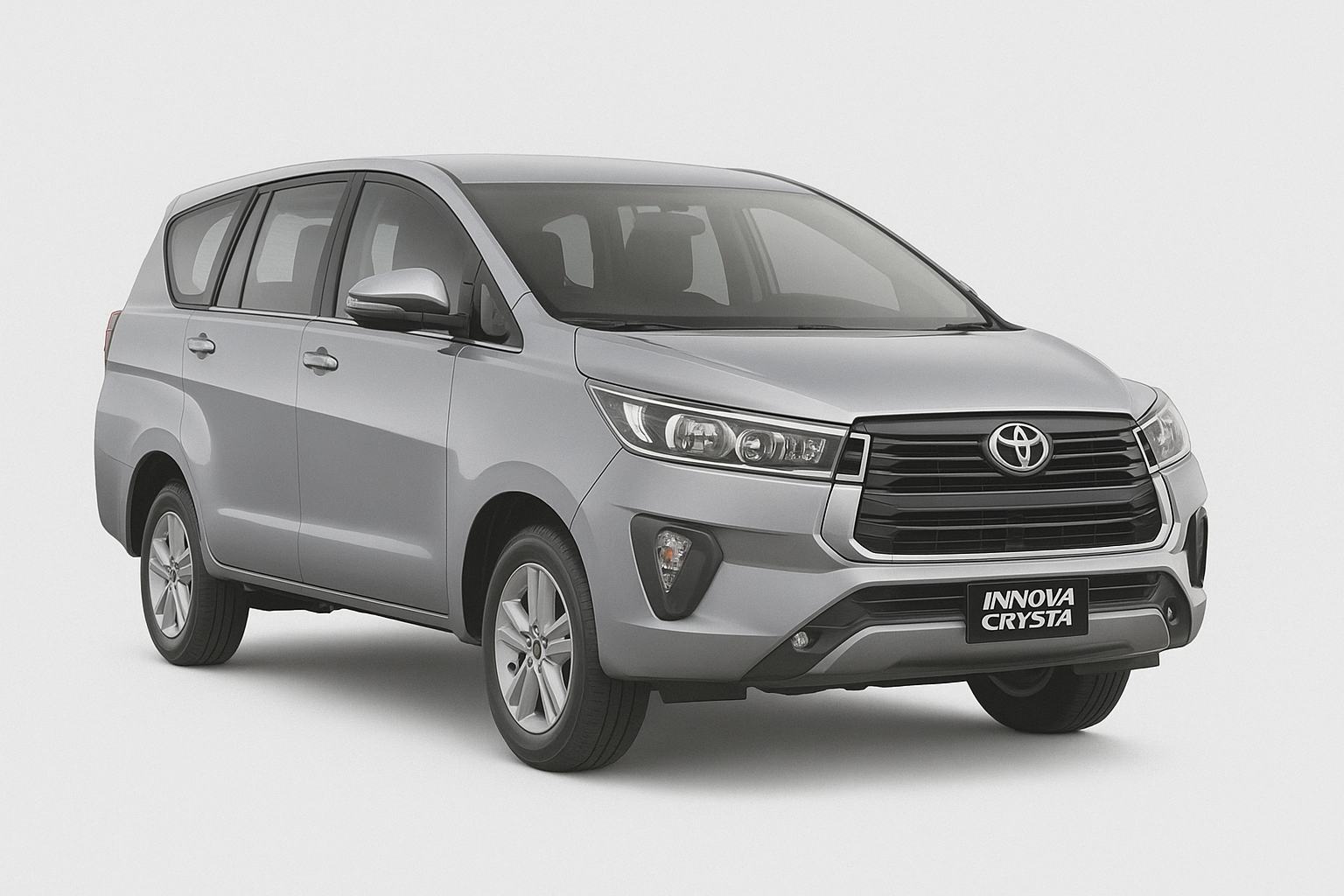
The Innova HyCross combines spacious family-friendly design with hybrid efficiency, making it one of the most practical eco-friendly vehicles on sale today.
Expected Plug-in Hybrid Cars for India
Although plug-in hybrid technology is still limited in the Indian market, several global manufacturers are evaluating PHEV models for future launches.
Luxury brands have already introduced plug-in hybrid options internationally, and as charging infrastructure expands, more affordable PHEVs are expected to arrive in India over the next few years.
This could create a new category of vehicles that bridge the gap between hybrids and full EVs.
Running Cost Comparison
| Expense Category | Hybrid | Plug-in Hybrid |
|---|---|---|
| Fuel Cost | Low | Very Low |
| Electricity Cost | None | Low |
| Maintenance | Moderate | Moderate |
| Battery Replacement Risk | Low | Moderate |
| Long-Term Savings | Good | Excellent |
For buyers who can charge regularly at home, plug-in hybrids often deliver the lowest overall running costs.
Which One Should You Buy?
The answer depends on how you use your vehicle.
If you drive long distances frequently, travel to areas with limited charging infrastructure, or simply want a hassle-free ownership experience, a traditional hybrid remains the safest choice.
However, if you have access to home charging and most of your driving involves short daily commutes, a plug-in hybrid can offer significantly lower running costs and reduced fuel consumption.
Carzovo Verdict
Hybrid and plug-in hybrid vehicles both play an important role in the transition toward cleaner mobility. Traditional hybrids currently make more sense for most Indian buyers because they require no charging infrastructure while still delivering excellent fuel economy.
Models such as the Toyota Urban Cruiser Hyryder Hybrid, Honda City e:HEV, and Toyota Innova HyCross Hybrid continue to demonstrate the practicality of hybrid technology in Indian conditions.
Plug-in hybrids, however, offer a glimpse into the future by combining electric driving capability with the flexibility of a petrol engine. As charging infrastructure improves and more manufacturers introduce PHEV models, their popularity is expected to grow.
For most Indian buyers in 2026, a hybrid car remains the more practical choice, while plug-in hybrids represent the most promising bridge between conventional vehicles and fully electric mobility.
Frequently Asked Questions
Which is better, a hybrid or a plug-in hybrid?
For most Indian buyers today, hybrids are more practical because they do not require charging. Plug-in hybrids can be more efficient if you have regular access to charging.
Do plug-in hybrid cars need charging?
Yes. Plug-in hybrids are designed to be charged externally to maximize their electric driving range.
Are hybrid cars cheaper to maintain?
Generally, yes. Traditional hybrids have smaller battery systems and simpler charging requirements.
Are plug-in hybrid cars available in India?
The selection is currently limited, but more plug-in hybrid models are expected to enter the Indian market as charging infrastructure expands.