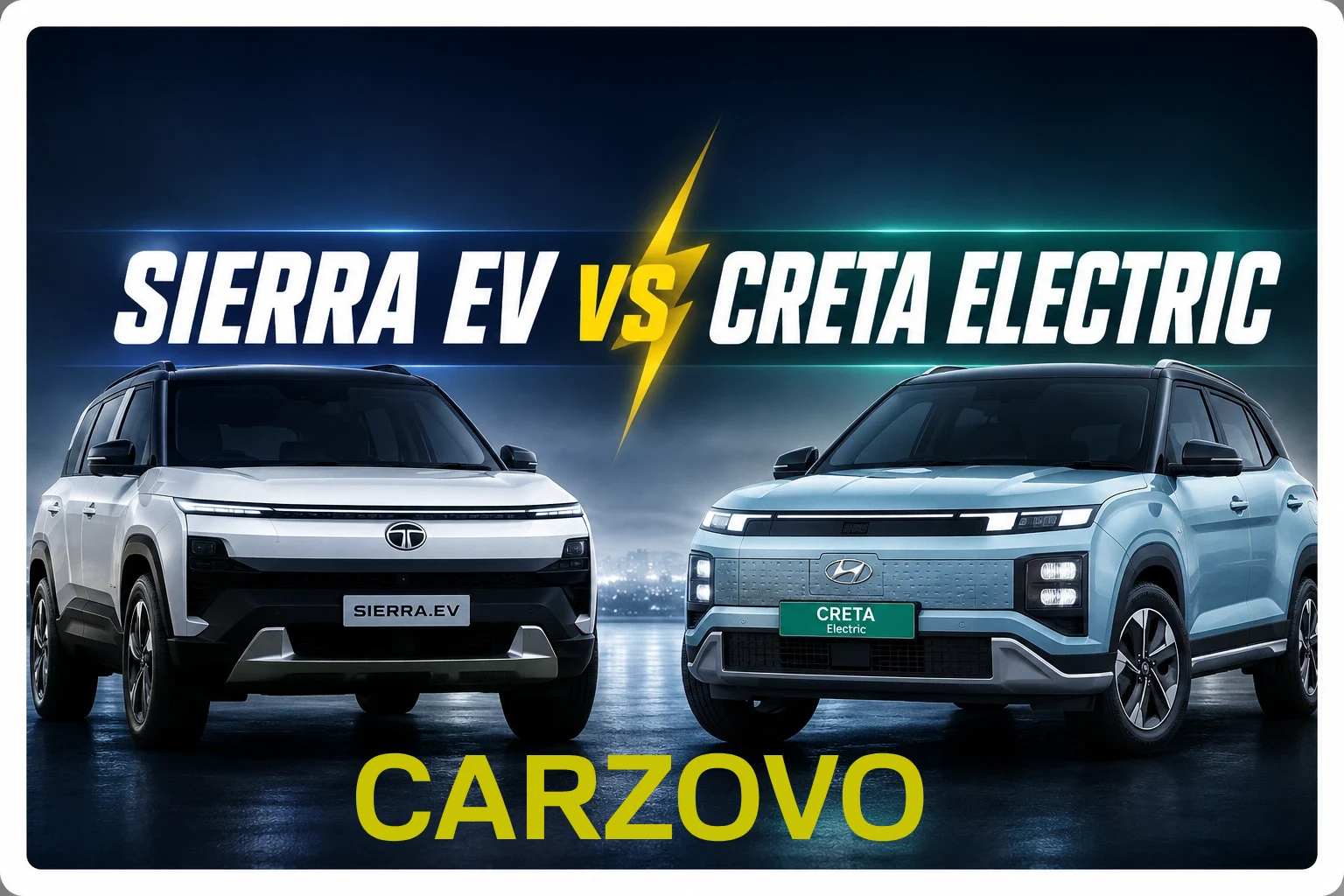
India’s electric vehicle market is evolving at an incredible pace, and 2026 is shaping up to be one of the most exciting years for EV enthusiasts. While several manufacturers are introducing new electric models, two SUVs have managed to capture the attention of buyers across the country—the Tata Sierra EV and the Hyundai Creta Electric.
These two vehicles represent different philosophies. The Sierra EV revives one of Tata’s most iconic nameplates while introducing a futuristic electric platform designed specifically for the next generation of mobility. The Creta Electric, meanwhile, builds upon the success of India’s best-selling SUV by offering a familiar package with the benefits of an electric powertrain.
For buyers planning to switch to electric mobility, this comparison is more important than ever. Both SUVs promise modern technology, impressive range, advanced safety features, and premium interiors. However, each model targets a slightly different audience.
In this detailed Carzovo comparison, we analyze design, battery technology, range, performance, charging capabilities, features, safety, ownership experience, and overall value to determine which electric SUV deserves a spot in your garage.
Tata Sierra EV Overview
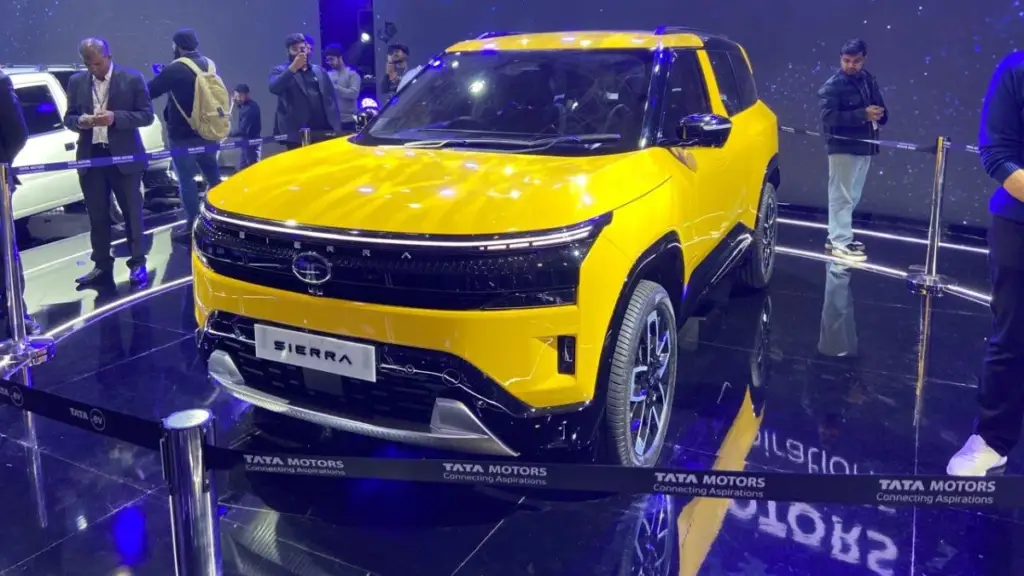
The Tata Sierra EV is more than just another electric SUV. It marks the return of a legendary name that holds a special place in Indian automotive history. Tata Motors has transformed the Sierra into a futuristic electric vehicle that combines nostalgia with cutting-edge technology.
Unlike many electric SUVs that simply adapt existing petrol platforms, the Sierra EV is expected to leverage Tata’s advanced EV architecture, allowing engineers to maximize cabin space, battery efficiency, and driving dynamics.
The exterior design stays true to the spirit of the original Sierra while embracing modern styling elements. Large glass surfaces, connected LED lighting, aerodynamic bodywork, and premium proportions give the vehicle a unique identity.
Tata is positioning the Sierra EV as a premium electric SUV, which means buyers can expect advanced technology, spacious interiors, and competitive range figures.
Expected Tata Sierra EV Specifications
| Specification | Expected Figure |
|---|---|
| Battery Pack | 60-75 kWh |
| Range | 500-600 km |
| Power Output | 170-220 hp |
| Charging | DC Fast Charging |
| Drive Options | FWD / AWD Expected |
| Price | ₹22-30 Lakh |
Hyundai Creta Electric Overview
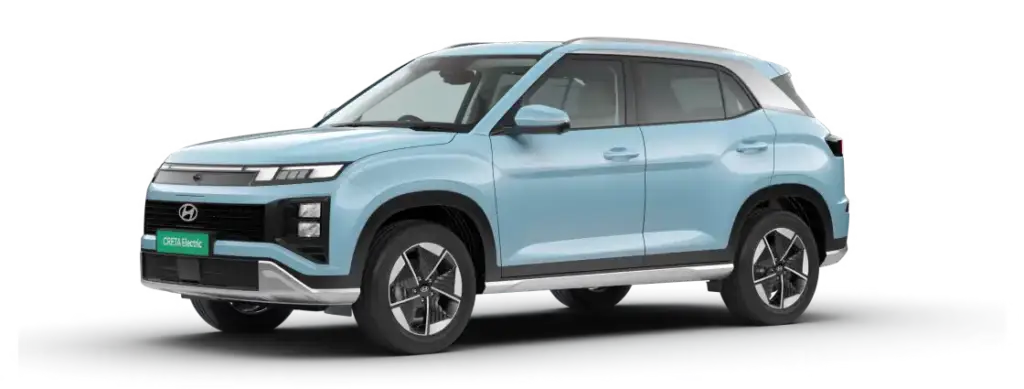
The Hyundai Creta Electric takes a different route. Instead of reinventing the wheel, Hyundai has electrified one of India’s most successful SUVs.
The Creta brand already enjoys immense popularity among Indian buyers. Its reputation for reliability, comfort, and practicality gives the Creta Electric a significant advantage before customers even enter a showroom.
Visually, the electric version retains much of the familiar Creta styling. However, Hyundai has introduced several EV-specific design enhancements, including a redesigned front fascia, aerodynamic wheels, and exclusive detailing.
The Creta Electric focuses on delivering a seamless transition for customers moving from internal combustion engines to electric mobility.
Hyundai Creta Electric Specifications
| Specification | Figure |
|---|---|
| Battery Pack | 51.4 kWh |
| Range | Up to 473 km |
| Power Output | Around 170 hp |
| Charging | DC Fast Charging |
| Drive Type | FWD |
| Price | ₹18-25 Lakh |
Design Comparison
Design often plays a crucial role in vehicle purchasing decisions, and both SUVs approach styling differently.
The Tata Sierra EV is undoubtedly the more dramatic vehicle. Tata has successfully blended heritage-inspired elements with futuristic styling cues. The distinctive glasshouse design, bold LED signature, and muscular stance ensure that the Sierra EV stands out wherever it goes.
The Hyundai Creta Electric, on the other hand, adopts a more conservative approach. Buyers who already appreciate the standard Creta will find the electric version instantly familiar. Hyundai has made enough visual changes to distinguish it from the ICE version without alienating existing customers.
From a road presence perspective, the Sierra EV feels more premium and futuristic. The Creta Electric emphasizes practicality and familiarity.
Design Verdict
Winner: Tata Sierra EV
Its unique styling and heritage-inspired design give it a stronger visual identity.
Battery and Driving Range Comparison
Range remains one of the most important considerations for EV buyers.
Tata appears to be targeting segment-leading range figures with the Sierra EV. Industry expectations suggest battery options ranging between 60 kWh and 75 kWh, potentially delivering real-world range figures exceeding 500 km on a single charge.
Such numbers would place the Sierra EV among the most capable electric SUVs in its segment.
The Hyundai Creta Electric offers a claimed range of approximately 473 km. While slightly lower than the Sierra EV’s expected figures, it remains more than sufficient for daily commuting and long-distance highway travel.
For most users, either SUV will comfortably handle weekly commuting without frequent charging stops.
Range Verdict
Winner: Tata Sierra EV
The larger battery pack and longer expected range provide a clear advantage.
Charging Technology Comparison
Charging infrastructure continues to improve rapidly throughout India, making EV ownership increasingly practical.
The Tata Sierra EV is expected to support fast DC charging, allowing substantial battery replenishment in under an hour. Vehicle-to-Load functionality may also be offered, enabling owners to power external devices directly from the battery.
The Hyundai Creta Electric also supports fast charging and includes intelligent charging management systems designed to optimize battery health and efficiency.
Both manufacturers have invested heavily in charging partnerships and ecosystem development.
Charging Verdict
The competition is extremely close, although Tata may gain a slight edge if Vehicle-to-Load technology becomes available.
Interior and Cabin Experience
The cabin is where buyers spend most of their time, and both manufacturers have focused heavily on interior quality.
The Tata Sierra EV is expected to offer a lounge-inspired cabin featuring premium upholstery, advanced digital displays, ambient lighting, and generous passenger space. Thanks to its dedicated EV architecture, the Sierra should benefit from a flat floor and enhanced rear-seat comfort.
Hyundai counters with one of the most polished interiors in the segment. The Creta Electric offers a dual-screen setup, premium materials, connected technology, and intuitive ergonomics.
While Hyundai’s cabin excels in practicality and familiarity, the Sierra EV appears to prioritize innovation and spaciousness.
Interior Verdict
Winner: Tata Sierra EV
The dedicated EV platform provides greater flexibility and a more futuristic cabin experience.
Features Comparison
Modern SUV buyers expect technology-rich vehicles, and both contenders deliver.
| Feature | Sierra EV | Creta Electric |
|---|---|---|
| Panoramic Sunroof | Yes | Yes |
| Ventilated Seats | Yes | Yes |
| Digital Instrument Cluster | Yes | Yes |
| 360-Degree Camera | Yes | Yes |
| Wireless Charging | Yes | Yes |
| Connected Car Technology | Yes | Yes |
| OTA Updates | Yes | Yes |
| ADAS | Yes | Yes |
On paper, both SUVs are likely to offer a very similar equipment list.
Feature Verdict
Tie
Both SUVs provide everything modern buyers expect from a premium EV.
Performance Comparison
Electric vehicles are known for instant torque and smooth acceleration.
The Tata Sierra EV is expected to produce between 170 hp and 220 hp depending on variant. Higher trims could even feature dual-motor all-wheel-drive technology, providing stronger performance and improved traction.
The Hyundai Creta Electric delivers approximately 170 hp and focuses on balanced everyday usability.
While both SUVs should feel quick, the Sierra EV appears to have the advantage in outright performance.
Performance Verdict
Winner: Tata Sierra EV
Higher power outputs and potential AWD capability provide greater performance potential.
Safety Comparison
Safety remains one of the strongest selling points for both manufacturers.
The Sierra EV is expected to feature multiple airbags, electronic stability control, advanced driver assistance systems, autonomous emergency braking, lane-keeping assistance, and a reinforced battery structure.
The Hyundai Creta Electric also offers a comprehensive safety package with ADAS technology, multiple airbags, electronic aids, and robust crash protection.
Both SUVs should achieve excellent safety standards.
Safety Verdict
Tie
Both vehicles are expected to rank among the safest EVs in their segment.
Ownership Experience
Ownership experience extends beyond the vehicle itself.
Tata Motors has established a strong EV ecosystem in India through products such as the Nexon EV, Punch EV, and Curvv EV. The company’s growing charging partnerships and EV expertise strengthen its position.
Hyundai benefits from a reputation for consistent service quality and customer satisfaction. Its dealership network remains one of the strongest in the country.
Buyers looking for proven EV experience may appreciate Tata’s advantage, while those prioritizing service consistency may lean toward Hyundai.
Pros and Cons
Tata Sierra EV Pros
- Distinctive design
- Larger expected battery pack
- Longer driving range
- Premium cabin experience
- Strong road presence
Tata Sierra EV Cons
- Yet to establish long-term ownership record
- Higher expected pricing
Hyundai Creta Electric Pros
- Proven SUV platform
- Trusted Hyundai ownership experience
- Competitive pricing
- Strong service network
- Familiar driving experience
Hyundai Creta Electric Cons
- Less unique styling
- Smaller battery pack
Carzovo Verdict
The Tata Sierra EV and Hyundai Creta Electric represent two compelling approaches to electric mobility.
The Creta Electric is the sensible choice. It offers familiarity, proven reliability, and a seamless transition to EV ownership. Buyers who value practicality and peace of mind will appreciate Hyundai’s approach.
The Tata Sierra EV, however, appears to be the more exciting product. Its larger battery, longer range, futuristic design, spacious cabin, and premium positioning give it a stronger overall package for enthusiasts and early adopters.
If Tata delivers on its promises, the Sierra EV could become one of the most desirable electric SUVs in India.
Buy Tata Sierra EV If:
You want maximum range, futuristic styling, premium interiors, and a unique SUV experience.
Buy Hyundai Creta Electric If:
You want a proven ownership experience, reliable service support, and a familiar SUV package.
Final Carzovo Rating
Tata Sierra EV – 9.1/10
Hyundai Creta Electric – 8.8/10
Overall Winner: Tata Sierra EV (Expected)
The Sierra EV’s combination of design, range, technology, and road presence gives it a slight edge in what is shaping up to be one of India’s most exciting EV battles of 2026.
Stay tuned to Carzovo for more EV comparisons, buying guides, and detailed automotive reviews.